Page Zero
What Emi Woo possesses, very strongly, is an intention.
When I went looking for Emi Woo's story, I found there wasn't one. This is page zero. But what Emi Woo does have is an intention, a deeply powerful one.

What Emi Woo possesses, very strongly, is an intention.
When I went looking for Emi Woo's story, I found there wasn't one. This is page zero. But what Emi Woo does have is an intention, a deeply powerful one.
I love these — but I'm not sure if I'm brave enough to wear them.
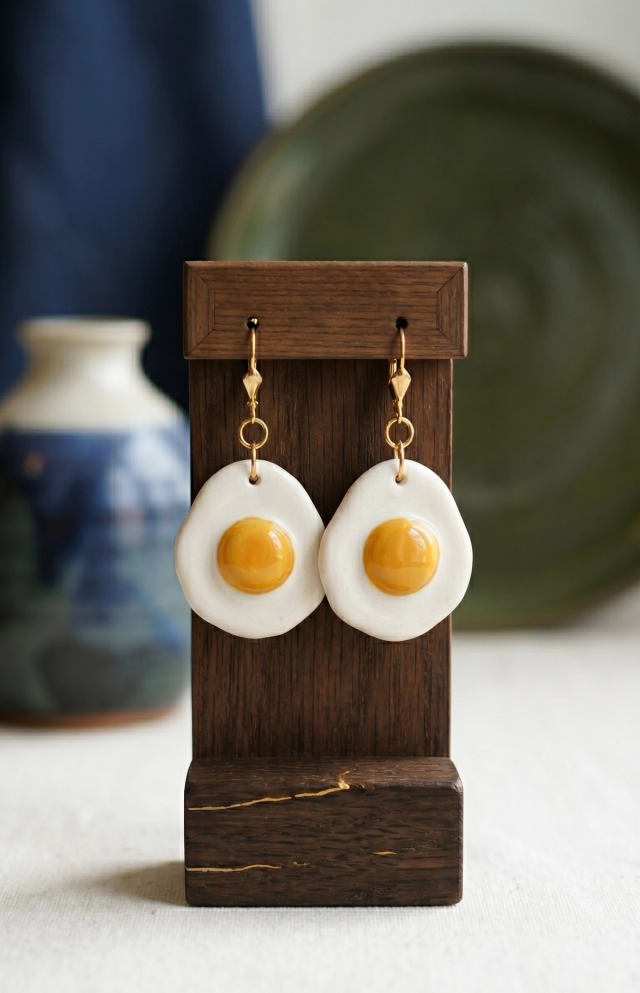
At a market in Union Square, a girl next to me picked up a pair of handmade Japanese earrings shaped like fried eggs and said, “I love these earrings, but I am not sure if I am brave enough to wear them.” And I thought, Wow, how afraid we are of being ourselves. How brave it is to live in this world and truly embody our authenticity.
In the past, we needed a tribe to survive, and that primal necessity is still deeply ingrained in our minds. We want to belong, so we hide our essence.
Saying YES to oneself is aligning our souls with our truest essence. And to me, that is how we embody our own personal style.
Authenticity is brave. It is powerful. And it is scary. To me, it is the essence of style — wearing the fried egg earrings if they call you.
Anyone can be stylish by copying trends. True style comes from daring to be authentic.
Am I less deserving of love because of my gender?
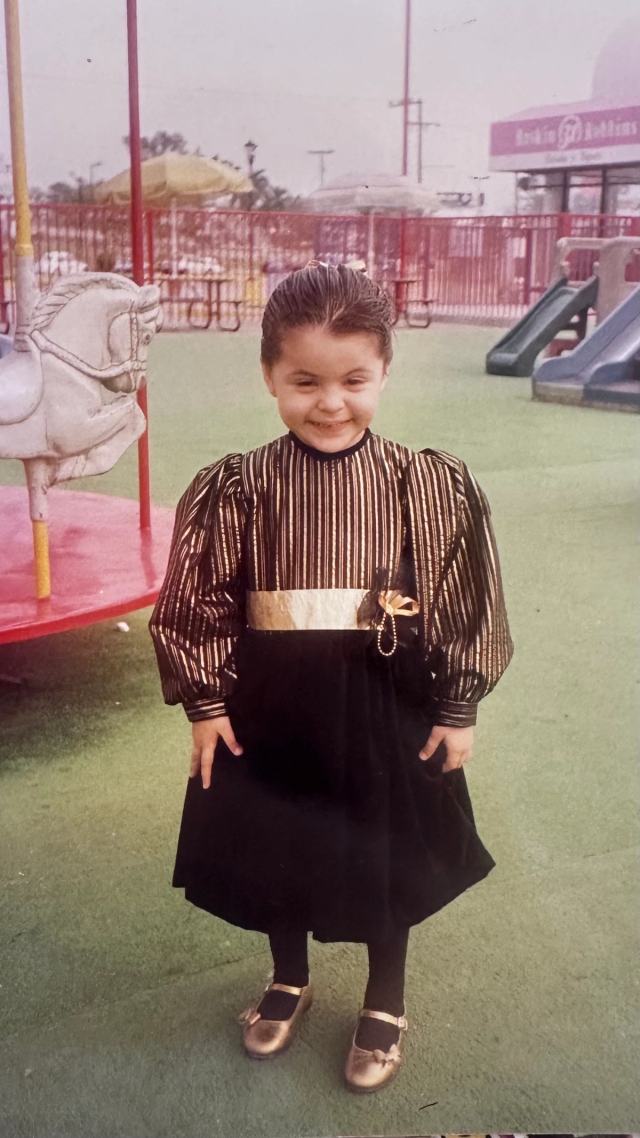
When I was about five, my dad won a fishing tournament and was invited onto a local TV show. I remember it vividly: my dad trying to convince my brother to come along, my brother refusing, and me begging to go in his place. The answer was no — my brother was the one going, because he was the boy. I begged and begged, but in the end my dad took him, against his will. For me it was never about being on television. I was very attached to my dad; I simply wanted to be with him. He passed away when I was seven, and that day I begged for turned out to be the first and last chance we ever had.
My mother, carrying her own wound, taught me that being female was a disgrace.
School, university, work — everywhere, the patriarchy, the misogyny — so ordinary no one names either one. But the problem wasn't what they said. It's that I believed it. I wove myself a story that life would be easier as a boy. I changed how I dressed, how I spoke, how I moved through the world — leaning as far into the Yang as I could. Not to earn respect, but to be loved.
They have what I want.
Then I met the transfemme community, and what I felt was awe — the same awe I feel when discovering a creek in the middle of the woods, or standing before a magnificent tree. I asked myself, Why do I feel this way? The answer came easily: They have what I want. That courage, that strength, that fierce bravery to be who I truly am — to stop hiding and pretending to be someone I am not. I wanted to embrace my feminine energy; I wanted to realign with my Yin.
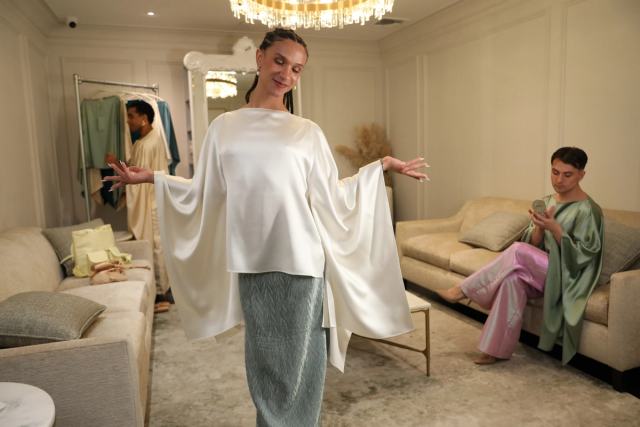
What is queerness if not the authentic expression of oneself? If not a deep, profound self-love that dares to be faithful to one's true essence?
The true and profound self-love that queer people embody is a gift to this world. It is a gift the community has given specifically to me.
So, when it came to setting the intention of Emi Woo, I wanted to honor the magic the queer community brings to the world.